Building the Future of Vehicle preparation

November 4, 2026

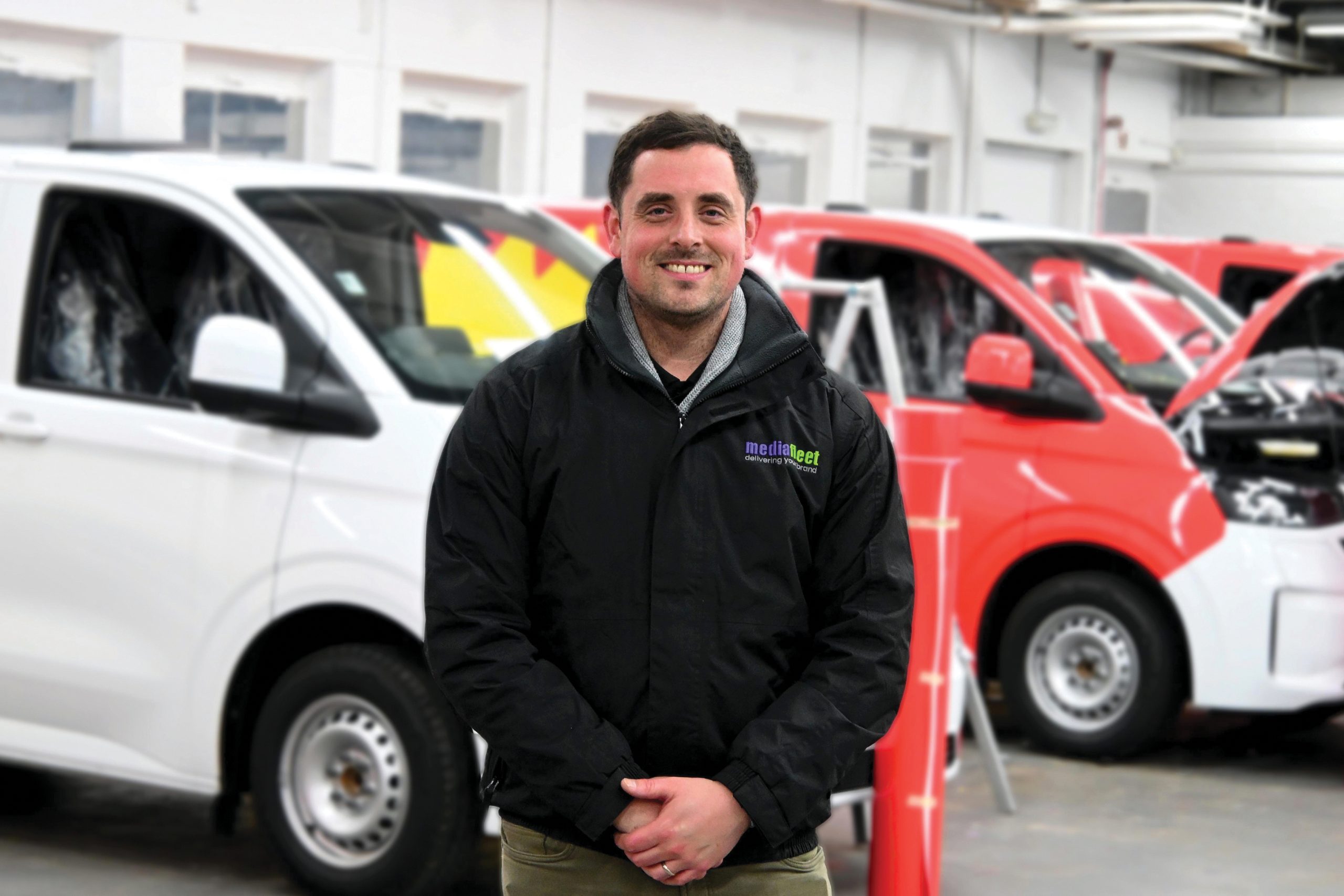
Luke Macdivitt, Mediafleet’s manufacturing manager, on the thinking behind the Supplier Hub and how a new approach to vehicle conversion and supply chain integration is changing the way fleet vehicles are prepared and converted.

Luke is talking to Rob Rudd, Mediafleet’s head of development.

LUKE: My title is Manufacturing Manager, and my primary objectives within the Supplier Hub are to develop the hub and its capabilities to a standard that enables quality conversion of OEM vehicles, and then to prepare those vehicles to be ready to work.

So, we bring the OEM vehicles into the hub, to undergo conversion. Each product needs to be transformed to OEM standards, so it has to be of excellent quality.

ROB: So, your remit is project management, manufacturing, and quality control?And what about the logistics element? Do you get involved in that as well?

LUKE: The logistics element is really plugged into the forecast, and I am involved in vehicle movements. But I think as the site develops the logistics team will take care of that in line with the day’s schedule.

ROB: Is that Steve Hogg?

LUKE: Yes, Steven Hogg, Logistics Manager for the whole site.

ROB: He will control the flow of vehicles into the hub, making sure that the work flow takes place correctly.

LUKE: Yeah, there are many elements to that. You’ve got a vehicle, the product management, the manning management side of it, training, installation, method of installing. You’ve also got the quality sign off (PDI) at the end of the process, so you’ve got the pre-delivery inspection of the vehicle which is carried out by logistics when they receive the vehicles. They’re then moved into the shop floor, into the designated bays, wherever it’s been assigned to for its work to be carried out, and then the manufacturing takes place.
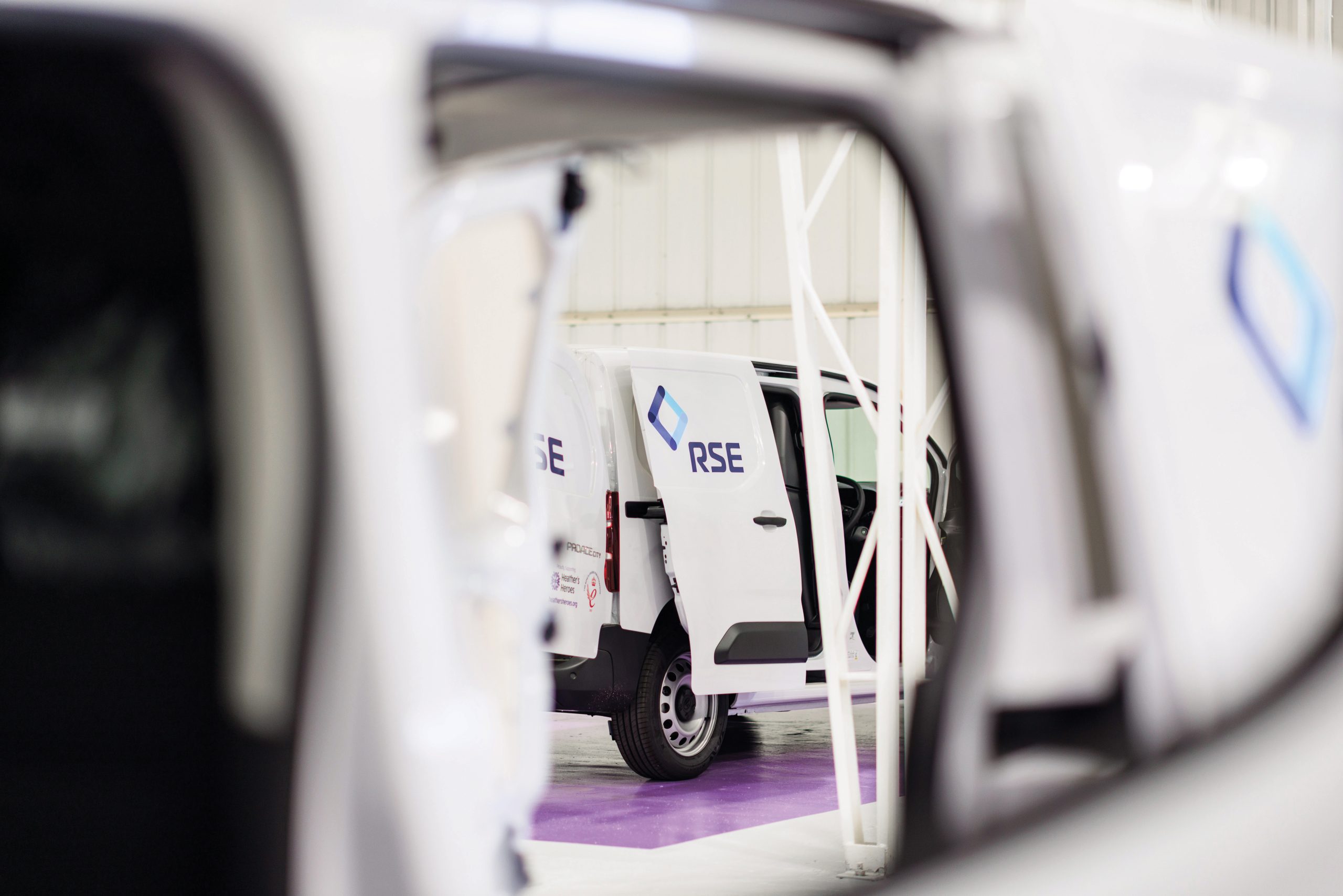
The racking is installed, all the elements of the vehicles are installed, and then at the end of it we’ll carry out a PDI inspection where we do a 360 of the vehicle imagery, sign off documentation, and then that gets prepared for customer inspection.

Luke Macdivitt - Manufacturing Manager

ROB: And has this been your background? Is this where you come from?

LUKE: I come from high volume automotive interior installation, so injection moulding, micro assembly.

ROB: Tell me a bit about your history.

LUKE: When I was 20 years old, I moved to China. I was given the title of production manager, so I worked as a production manager, champion for design and serial manufacturing launch of the Fiat 500 interior, Peugeot 508, and an additional vehicle for the Citroën, the DS3 project.

All of the interiors are made in China, and then we shipped from China in cardboard packaging into a DC in Europe, and then we would decant at the distribution centre, and re-pack into returnable packaging, carrying out quality inspection (Quality wall) prior to delivery into the OEM.

ROB: So, your job in China was quality control.

LUKE: In that role, I was responsible for project development and the design, the implementation into the production line and the processes, signing off the injection moulding tooling, so being involved in all the initial trials and signing off the projects, PSW and PPAP sign-off, which is OEM level standard quality signatures and approvals.

ROB: What does that stand for?

LUKE: PPAP – Production Part Approval Process

PSW – Part Submission Warrant.

ROB: So how long were you out there?

LUKE: My first stint out in China was three years as a production manager. At the age of twenty-three, I was promoted to general manager, where I was handed almost £50 million to move inland to start my own facility, reporting directly into group.

I was given my budgets, and then I had to go away and create my own development & introduction roadmap. The first six months was the first site housing just shy of 100 moulding machines and 20 production lines with a powder coating facility. The next six months saw the second facility, where we installed a UV curing facility, an additional 50 moulding machines, and an additional 20 production lines.

I was then given an additional budget to replicate the first two sites into a standalone site in the same industrial park. Over the period of 18 months, I went from being a production manager to being a fully pledged general manager with just shy of a thousand members of staff, and just shy of…

ROB: How long did you do that?

I was general manager for 5 years. I hit a roadblock at the end of my five years. I realised that it wasn’t where I wanted to stay long-term. Plus, I got married and we had a baby.

The length of time I was out in China was just under 8 years.

I moved back to the UK, and I worked for a company called Norbrems, manufacturing pneumatic air valves for a company called IMI Precision in Bristol. I did around one year there and then I returned back to the same company in China but based in the Portsmouth office doing operational accounts management. I was responsible for launching four distribution centres in Europe.

I had a team of seven engineers and just shy of 15 logistical members of staff across the four distribution centres. I had centres in Spain, Germany, Czech Republic, and one in France – which meant a great deal of European travel.

I had key accounts for Nissan, Bentley, Lamborghini, Peugeot, and also Ford. I did that role for just under five years. I was responsible for the whole of the European operation, including the customer-facing management of the decanting process and overall responsibility for quality.

I was essentially the direct link into the China group and the main point of contact for all quality and associated costs across the business, eventually extending beyond Europe to cover the whole operation. So, I was the man on the ground that would assess the values, the costs, the handling, the third parties, the processing, and the cost down element.

ROB: Then where did you go?

LUKE: I left China Tool in 2022, and I joined a company called TGS in Bristol.

I worked for TGS for three years working in three different roles in the business. Because of my background I did six months in Production Management & continuous improvements, focussing on the development side of the business, the processing, and material flows.

Within those six months I also focused on documentation creation. I rolled out and horizontally deployed standard operating procedures across the whole business. I essentially reviewed a process of installing a vehicle and then broke that process down into the relevant manufacturing elements through the production line. (4M approach – Man / Machine / Material / Method).

I created all of the document packs that covered the manufacturing process as a whole and then rolled out the PDI process, which bolted onto the manufacturing element. Then I went from a continuous improvement role into a stores management role.

Luke Macdivitt - Manufacturing Manager

One of the biggest issues we identified within TGS was their material handling and their material stock management. So, I was requested to go into that role. We had just installed a new warehouse facility. I was responsible for the development, the installation and the rollout of all the SAGE systems, and the planning for the implementation of all the scanning systems.

I was also responsible for the picking element of the business. We would get the job card or the works order, the bill of materials, and then my team was responsible for picking that material into a cage and we would then feed that to the vehicle line so the operator didn’t have to run off and chase their own material. Everything was fed in cages to their vehicle essentially.

ROB: How do you view the role of the Mediafleet Supplier Hub in the conversion sector?

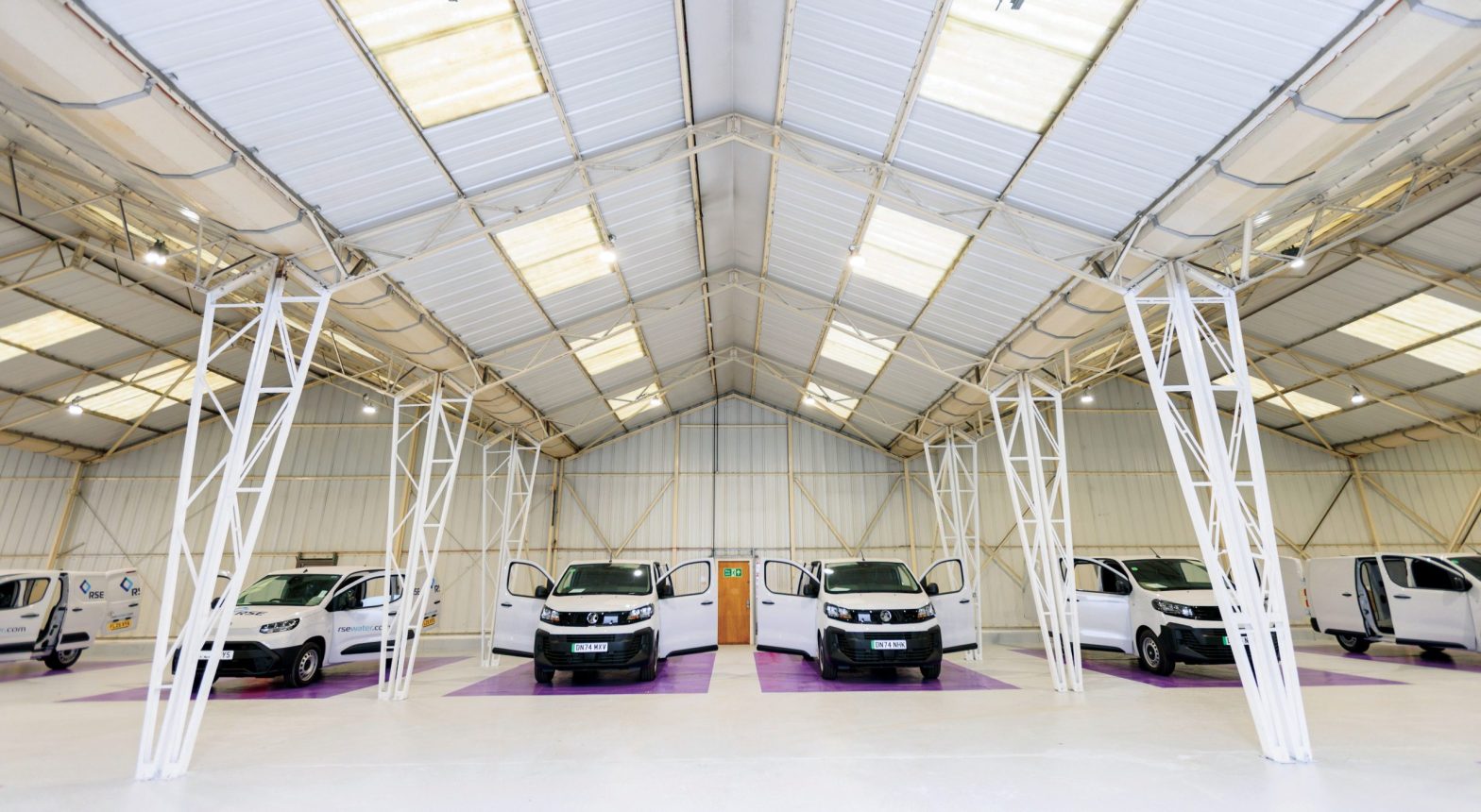
LUKE: It is a supply chain solution for a given opportunity where you can utilise various supply chain options, for example telematics, racking, all elements of installation where specialists need to be in one area to install their relevant equipment. What the Hub offers is reduced logistical movement through the efficient use of space and vehicle utilisation, allowing vehicles to be moved as little as possible.

Materials come into the Hub, the vehicle comes in, and the different suppliers can work alongside each other without creating any disruption. In the last 10 months, I have seen no negative impact from having multiple parties involved in the installation process. We have been able to bring together a blend of specialist companies to work together, whereas other supply chain solutions, particularly larger converters, would not typically allow this to happen. What we bring to the broader market is a solution that allows customers to tailor the vehicle and conversion to their specific requirements, rather than being restricted to the limited range of solutions offered by the larger supply chains.

So, if you want a blend of branded equipment, we can offer that.

ROB: From an end-user perspective, in terms of tracking where your tranche of vehicles is in that supply process, as you’re the project manager here, you’re overseeing everything that goes on in the hub, do you have any objection to you being the point of contact for any end-user to see where their vehicles are in the supply chain process?

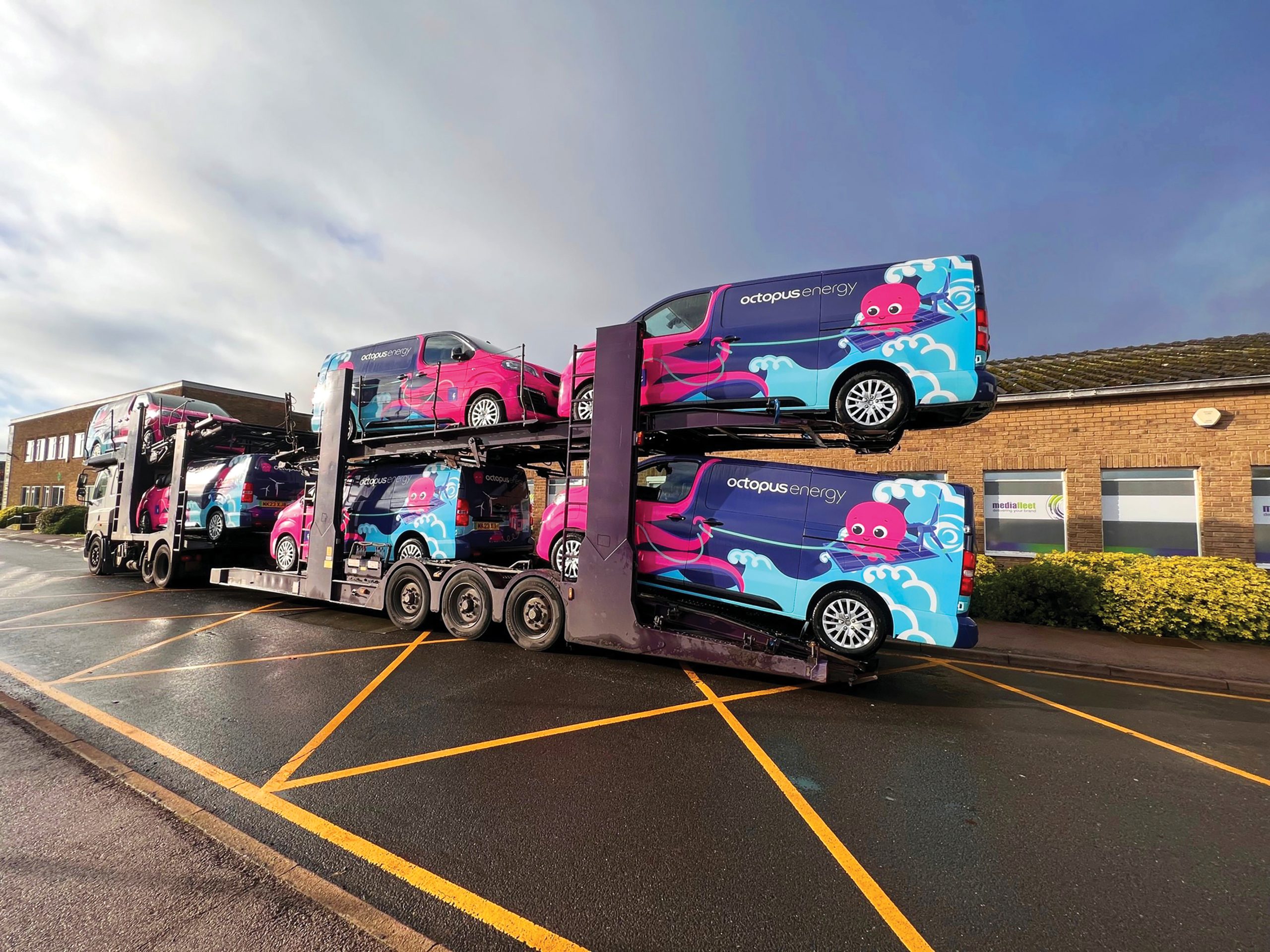
LUKE: We already offer that communication flow with Nurture and Octopus Energy for example. We build that into our process.

So, if the vehicle comes into the workshop, I can implement a system where they have visibility of what that status is of that vehicle at the end of any given day.

OB: How is that visible?

LUKE: I’ve utilised a system using Smartsheet. An order gets loaded into Smartsheet, you have a status through the builds and then as the status or each element is installed into the vehicle, you essentially just green it off with any support and data that you need.

ROB: And if the end-user had a question they wanted to ask you directly, you wouldn’t have any objection to them phoning you and saying, “what’s happening to this particular vehicle”, or whatever the issue is?

LUKE: Yeah, not a problem. Perfect. Happy to fault-find, happy to support the customer in any way they need.

So that is a major advantage as far as the end-user is concerned. First of all, they’ve got no blockages on stock, so there’s an easy flow of material of vehicles through the process.

ROB: They’ve got a single point of contact so they can track it any one time. What else? What other advantages are there?

LUKE: A key advantage of combining the delivery and installation functions is the flexibility it gives the customer. Historically, if a vehicle was coming in for livery application, there might also be a requirement for a simple installation, such as a roof vent or lining kit. The Hub does not have to offer a full conversion; it can provide any tailored installation the customer requires.

This also means that if the livery is complete and an additional requirement is identified at the point of collection, the Hub can accommodate it with a short lead time.

As part of the sign-off and PDI process, every vehicle undergoes a 360-degree inspection covering both the interior and exterior. Images and the completed documentation are uploaded to a central tracker, with the accountable individual signing off the vehicle. This provides the customer with full quality traceability, including what work was carried out, who carried it out and when, providing a clear audit trail should any warranty or quality issue arise.

ROB: What are the benefits as you said for the supply chain partners?

LUKE: The benefits for the supply chain partners are the capacities within the workshop. So that includes the material storage, the vehicle flow and also the vehicle storage within the logistics department.

I’m going to use Modul Systems as an example.

They’ve just installed 110 full, ready-to-work vehicles for a large energy customer. To give you an idea of how that work-flow went ahead – they arranged their logistics of their materials over from Sweden. We then received their materials, booked their materials into their system and then provided them the workspace for their team to come across, sign off the prototype and then present to the customer.

So not only are we offering the solution of material manufacturing we’re also offering the solution to customers coming on site to agree their final product. We also worked with Modul on the vehicle planning. So, we supported their planning for receiving the materials and how their materials will be fed into the shop floor and when.

They had an allocated workforce capacity, so both the materials and vehicles were fed into the workshop in line with their daily installation capacity of five vehicles per day.

Alongside the module installation, we also had a third-party company, TVL, carrying out deadlock installations. Both companies worked alongside each other but operated at different installation rates.

I therefore produced separate forecasts for TVL and Modul, ensuring that their workloads did not overlap and that each team could work independently within its own installation capacity.

TVL was the first stage of the process, with vehicles coming into the Hub for the deadlock installation before moving through to Module for its installation.

This created a controlled daily rotation, with five vehicles moving through the TVL process and then into Modul each day, ensuring a consistent flow of vehicles through both installation stages.

This created a controlled daily rotation, with five vehicles moving through the TVL process and then into Modul each day, ensuring a consistent flow of vehicles through both installation stages.

Luke Macdivitt - Manufacturing Manager

ROB: When did the branding take place?

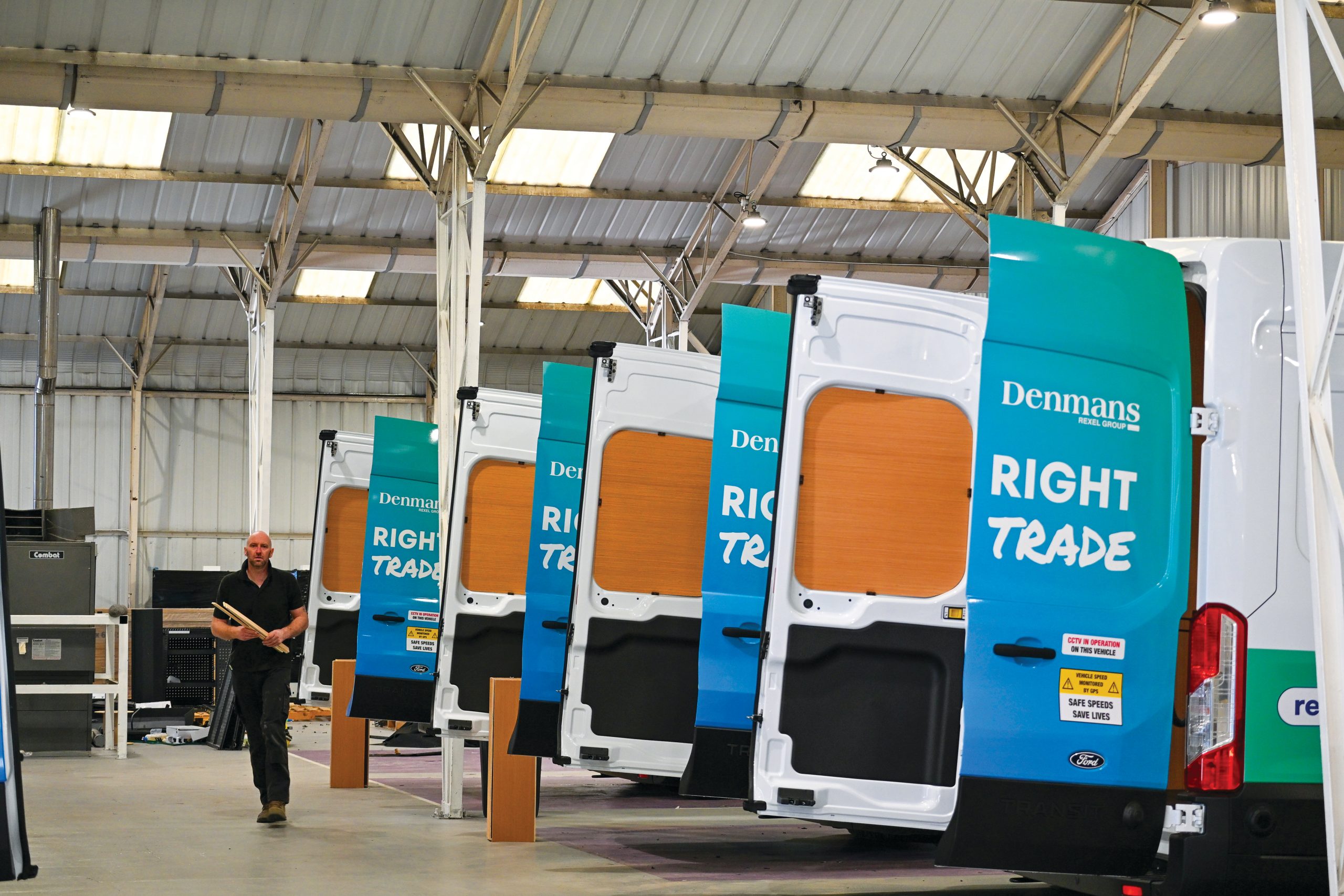
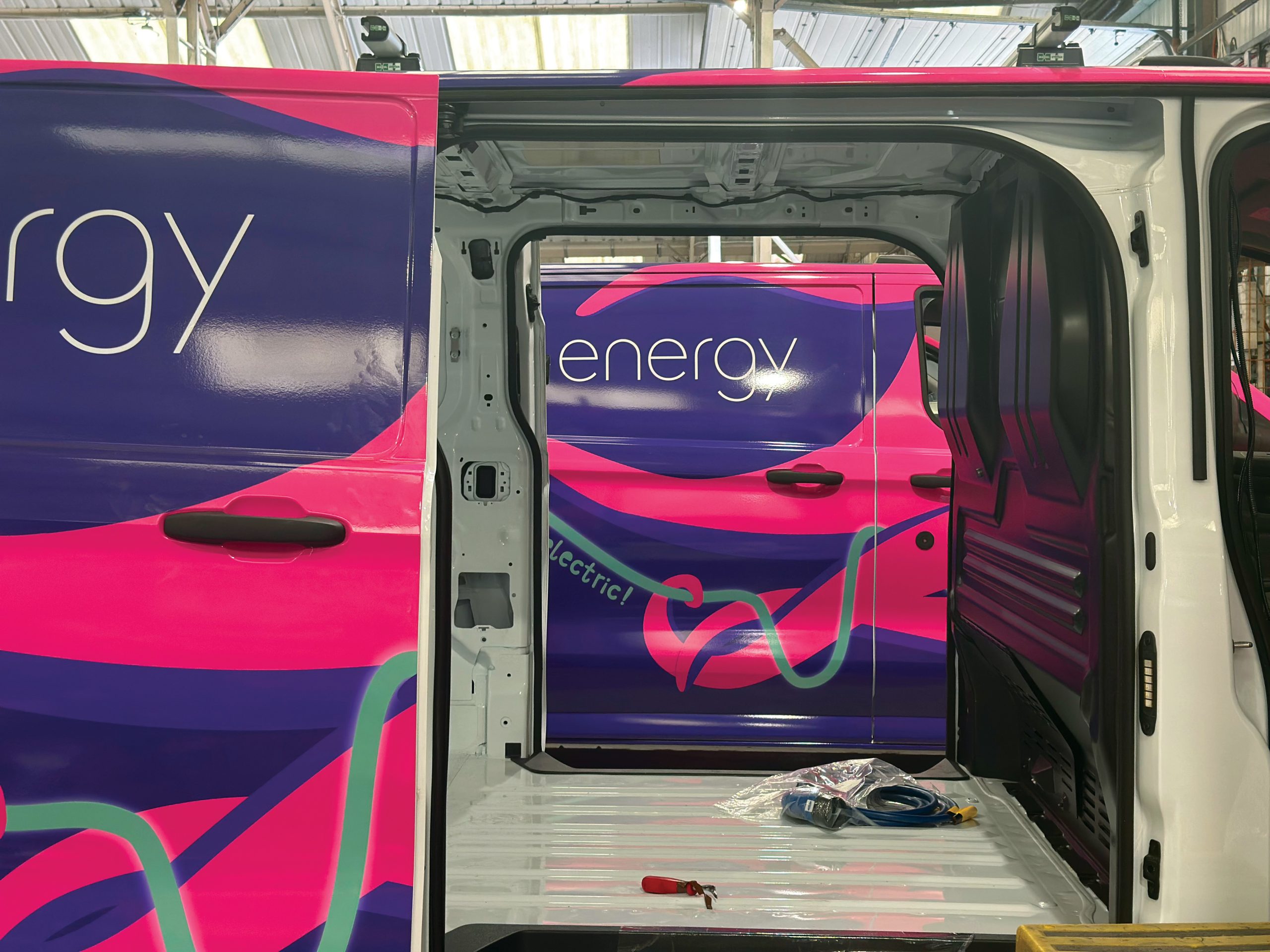
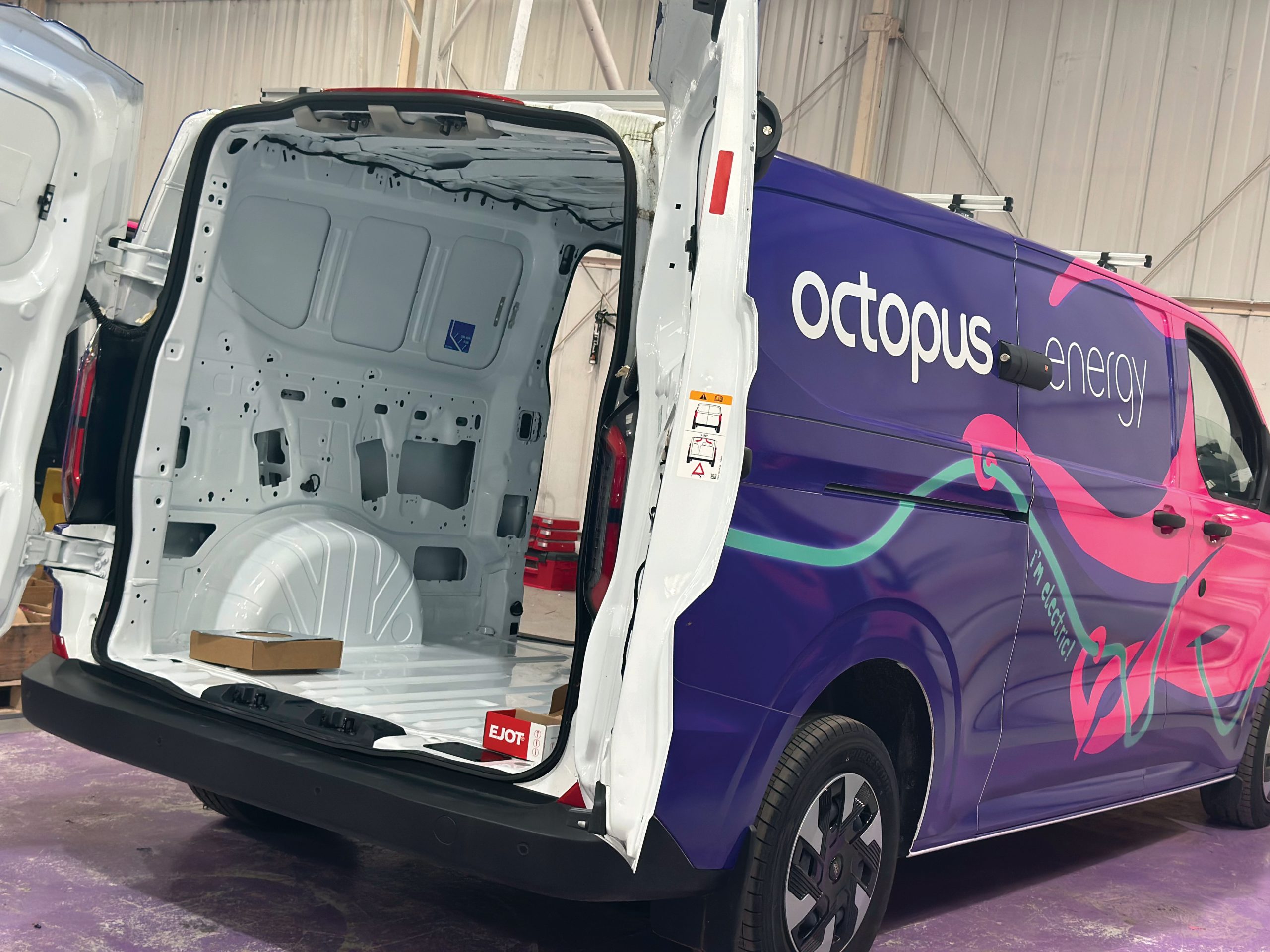
LUKE: The branding took place prior to the vehicle installation, so prior to TVL. Josie and her team had the 55 installs around two weeks prior to the racking and TVL installation. Essentially, it would then give us free reign to do the conversion installations. When Modul finished, we PDI the vehicles and then sent to the customers designated destinations.

ROB: Were they collected or sent immediately, or did they go into storage?

LUKE: The vehicles went into storage, and we offered the customer a vehicle rotation system. As the vehicles came into the Hub for decommissioning, we coordinated with their engineers to first decommission the existing equipment. Once that process was complete, the vehicles moved through to the installation stage, where the new equipment was fitted.

We essentially had the shop floor slice and dice into three sections. You have decommissioning at one end, you then had installation of locks, prior to the installation of the racking and the final conversion element of the build.

Luke Macdivitt - Manufacturing Manager

ROB: You have the decommissioning of the old vehicle

LUKE: Yes, the branding was removed etc., the racking was removed everything was taken out.

ROB: Where did that go then?

LUKE: Elements of it were recycled back through the supply chain and then other elements were recycled that couldn’t be used.

ROB: And where did the vehicle go?

LUKE: The vehicle then went back to the lease company.

ROB: Did it go into storage here first?

LUKE: It did for a short period of time.

ROB: And that was a seamless process as far as the customer was concerned?

LUKE: Yes. The only time I would communicate with the customer would be at the start of installation and then collection of the old vehicle.

ROB: So, talk to me about the future. What could we do going forward to develop this further and make it even better?

LUKE: Ultimately, I think the future is about taking what the Hub already does and developing it further. The model is already there: a customer can bring a vehicle into the Hub and have its preparation, conversion, installation, livery, PDI and final handover managed within one controlled environment.

The opportunity now is to make that process even more efficient, more visible and more scalable. We can improve the way we forecast and sequence vehicles, develop greater digital tracking and traceability, increase the range of specialist services available and give customers even greater flexibility to make changes or add requirements during the process.

So, the future isn’t about changing the model; it’s about taking the model we have already created and making it work at a greater scale, with greater control, visibility and efficiency.

On a personal note… I’m genuinely very pleased to be involved in something as unique and innovative as the Supplier Hub. There aren’t many companies, if any, doing what Mediafleet is doing, and it’s exciting to be part of developing something that I believe has a real future in the market.

Having Barney leading the business is also a big part of that. He has the vision and drive to challenge the traditional way of doing things and to keep pushing the business forward.

What makes it work, though, are the people around it. There is a really good mix of people and experience within the business, from those who bring years and years of industry and commercial knowledge, new ideas, and different ways of working…like yourself. To the stalwarts within the business, bringing stability and reliability, some of which have been with Mediafleet for 20 years or more. That combination gives Mediafleet a strong foundation to build on.

I think that combination of leadership, innovation, commercial excellence and experience is what gives Mediafleet such a strong opportunity to take the Hub forward.

ROB: I couldn’t agree more…