8. Can the Hub actually reduce lead times?
Yes.
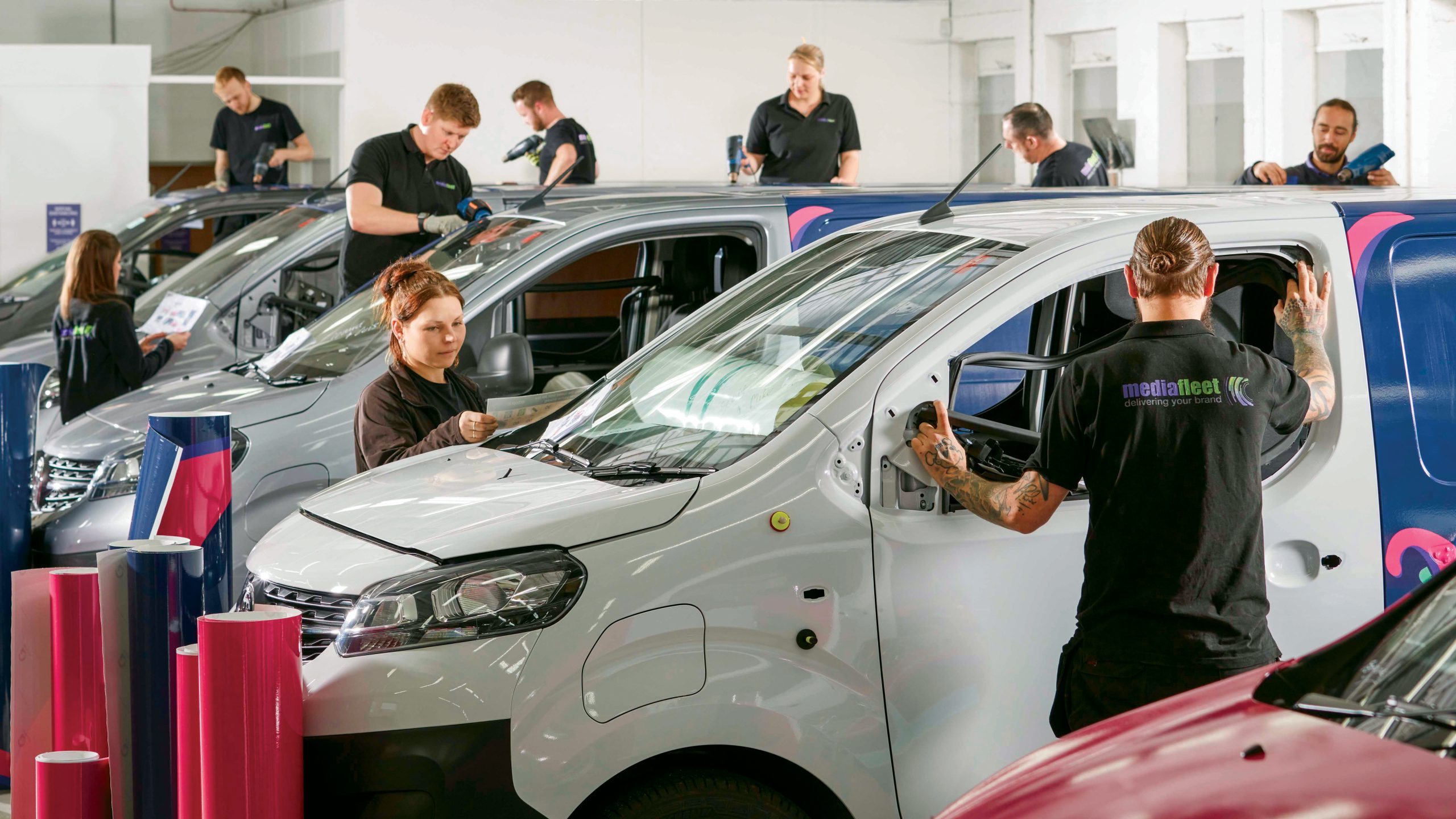
The benefit is not simply eliminating vehicle movements – because activities are coordinated around the same vehicle, different parts of the programme can be prepared and managed at the same time.
One specialist can be working on the vehicle while another prepares the next stage of work.
Components can be prepared while another activity is underway.
The overall programme therefore becomes less dependent on a vehicle travelling from one supplier to the next before the following stage can begin.
The objective is a more continuous production process and a faster route to a completed, work-ready vehicle.
9. What does the fleet operator actually receive?
The objective is not to sell the customer a collection of individual conversion activities. It is to deliver the finished outcome.
The fleet operator specifies what the vehicle needs and, where required, which specialist suppliers and technologies should be used.
Mediafleet brings those requirements together into one managed programme.
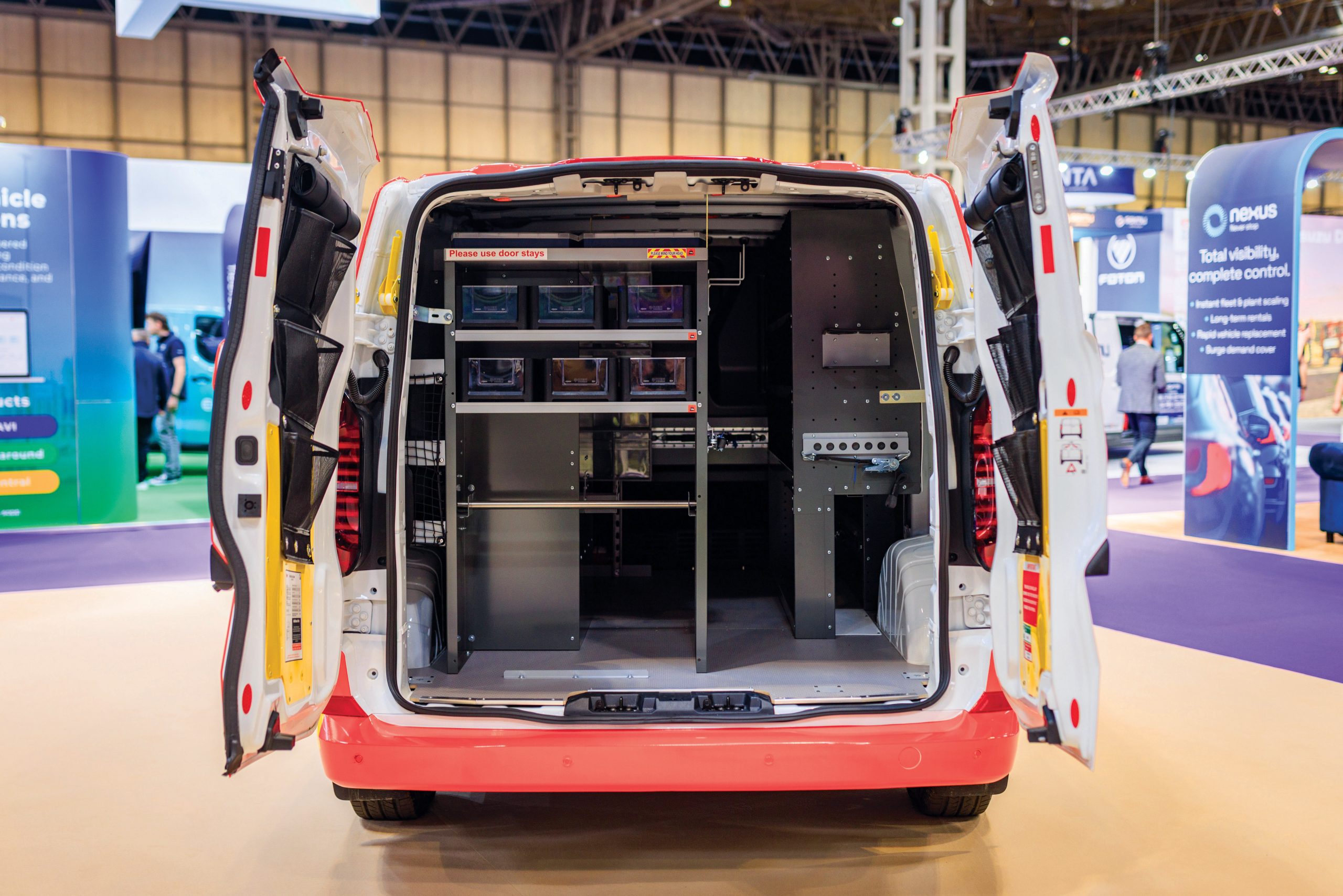
The customer receives a vehicle that has completed the required conversion and preparation work and is ready for its intended operation.
The customer buys the outcome, not the coordination exercise.
10. Does the Hub restrict my existing supplier relationships?
No.
The model is designed around customer choice.
Existing supplier relationships can remain part of the programme where appropriate. The Hub is open to specialist suppliers regardless of their size, status or particular capability.
That means the Hub does not require a fleet operator to abandon the specialist businesses it already trusts simply to gain the benefits of centralised conversion. Instead, those businesses can become part of a more integrated way of working.
11. What does the model mean for suppliers?
The same principle that simplifies the customer’s experience can also simplify the supplier’s role.
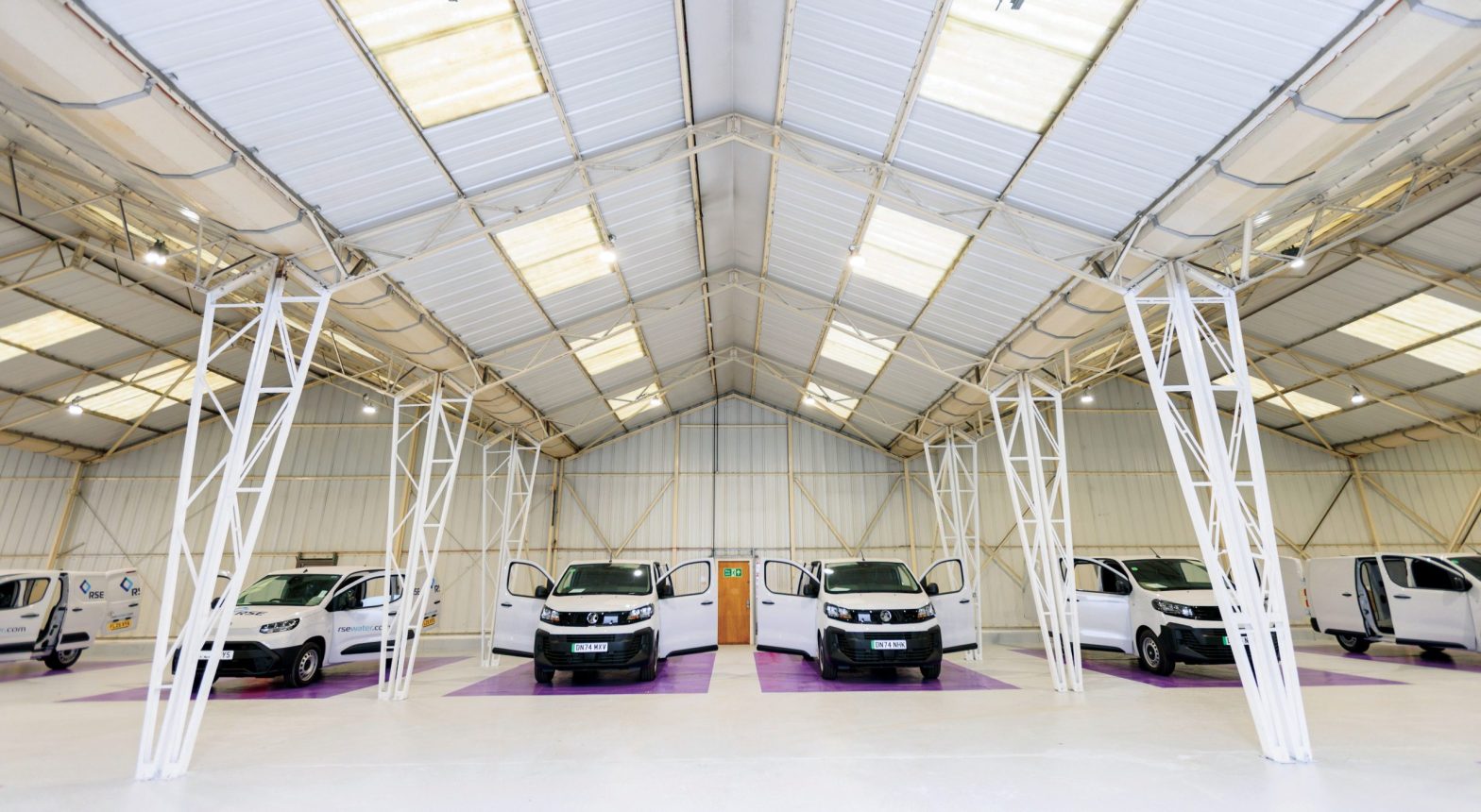
A specialist supplier does not necessarily need to provide its own additional workshop, storage, loading facilities or other infrastructure to participate in a larger programme at the Hub.
The supplier brings its people, expertise and specialist equipment.
Mediafleet provides the production environment and coordinates the programme.
That can allow specialists to spend more time doing what they are good at and less time dealing with vehicle collection, transport, unloading, storage, access arrangements and onward delivery.
The result is a model designed to make better use of specialist capability rather than replace it.
12. Is this simply a bigger conversion facility?
No.
The opportunity is bigger than a larger and better workshop.
The UK vehicle conversion sector already has highly capable specialist businesses. The challenge is that specialisation can create complexity for the customer.
Every additional specialist can bring valuable capability, but also another relationship, location, schedule and potential movement.
The answer is not to remove the specialists – it is to change the way they are brought together.
The Supplier Hub provides the environment and the integration required to do that.
What does this mean for a fleet manager?
The proposition can be reduced to five practical benefits:
1. Choice
Select the specialist suppliers and technologies that best meet the fleet’s requirements.
2. Simplicity
Manage one integrated programme rather than coordinating multiple supplier locations.
3. Visibility
Have a clearer view of vehicle status, outstanding work, issues and completion dates.
4. Control
Keep the vehicle in one controlled location while specialist suppliers work around it.
5. Work-ready vehicles
Receive a completed vehicle rather than managing a series of disconnected conversion activities. The principle is simple…the vehicle does not need to travel to every specialist.
The specialists can travel to the vehicle.
The customer retains the freedom to choose who carries out the specialist work.