Stop Moving the Product. Move the Supply Chain.

November 4, 2026

Authors: Barnaby Smith and Rob Rudd

Rob says… “The UK vehicle conversion market is a successful and highly capable industry. It has built an extensive network of specialist converters, manufacturers, financiers and suppliers capable of delivering increasingly complex vehicles.

But there is an opportunity to bring that capability together in a way that gives the end user both the efficiency of one central location and the ability to choose the specialists best suited to the job.“

The result can be a better vehicle…delivered faster and at a more competitive cost… because the customer is choosing the right supplier for each requirement, rather than accepting a single supplier’s complete offering.

Bringing the vehicle, people and processes together under one roof has clear advantages. It can reduce transport, handling, delays and the number of physical movements involved in a conversion.

But…the question is…how can the industry deliver those benefits without limiting the  end user to the capabilities, products or preferred suppliers of a single converter?

What if the vehicle could stay in one place, with the specialist suppliers coming to it…but the end user remains free to decide which suppliers they want working on their vehicles?

Any supplier is welcome…this is an all-inclusive proposition… all except vehicle branding, of course!

That combination is the important ‘point of difference’.

• One location provides the operational efficiency.
• Customer choice provides the commercial advantages.
• Together, they create a different model for vehicle conversion.
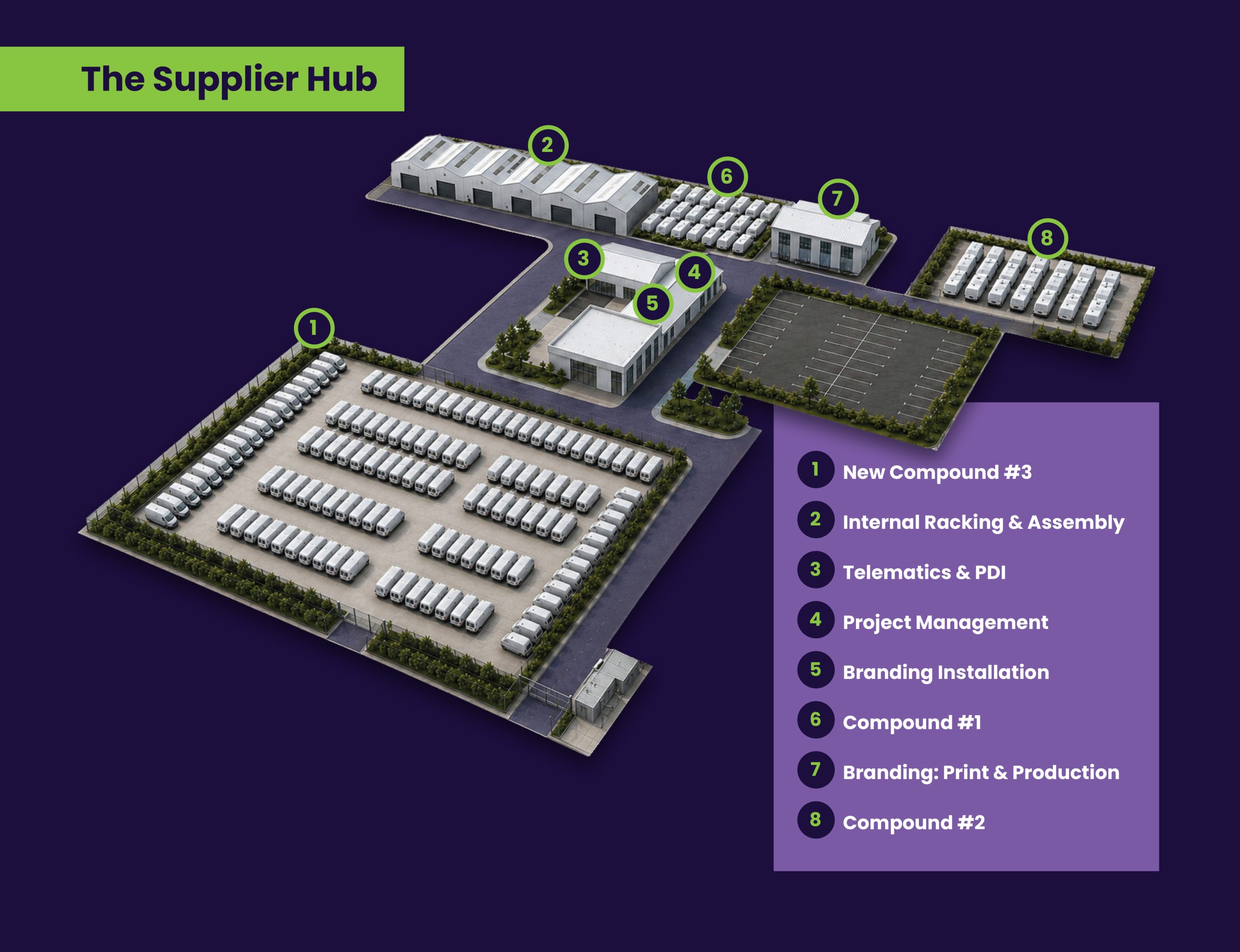
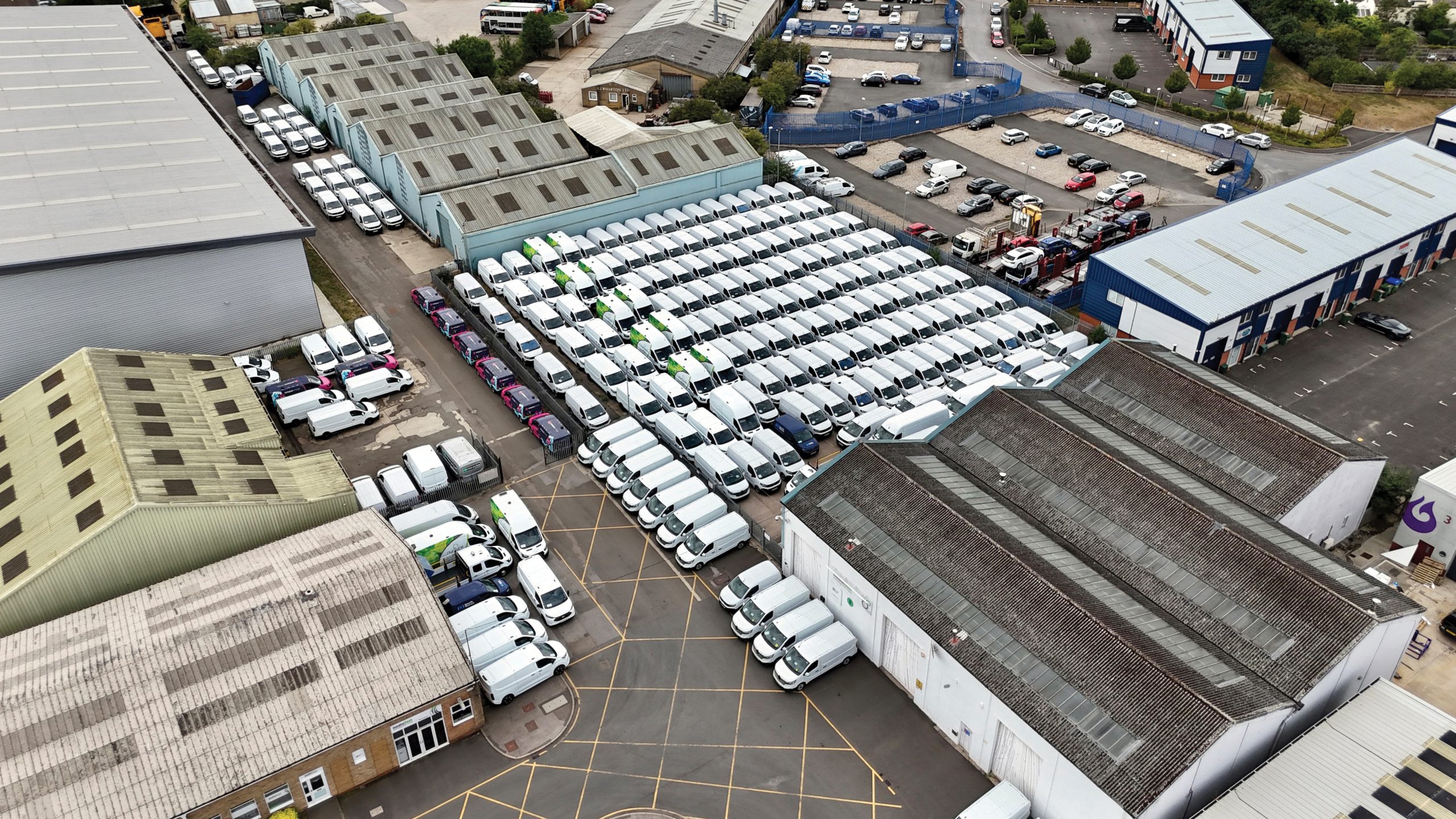
• This is the thinking behind the Mediafleet Supplier Hub.

It is taking  Supply Chain Integration to the next level.

In more detail…

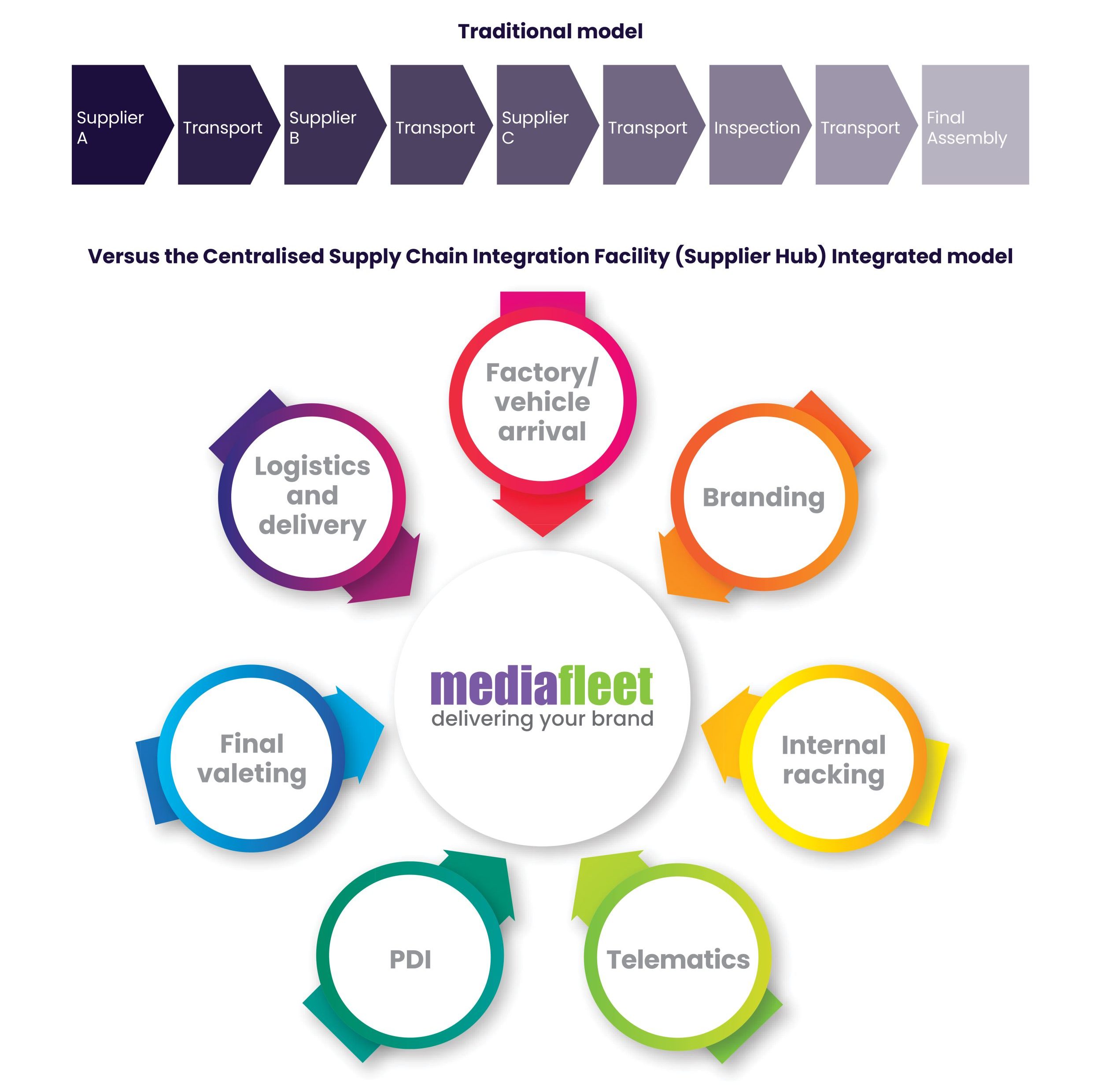
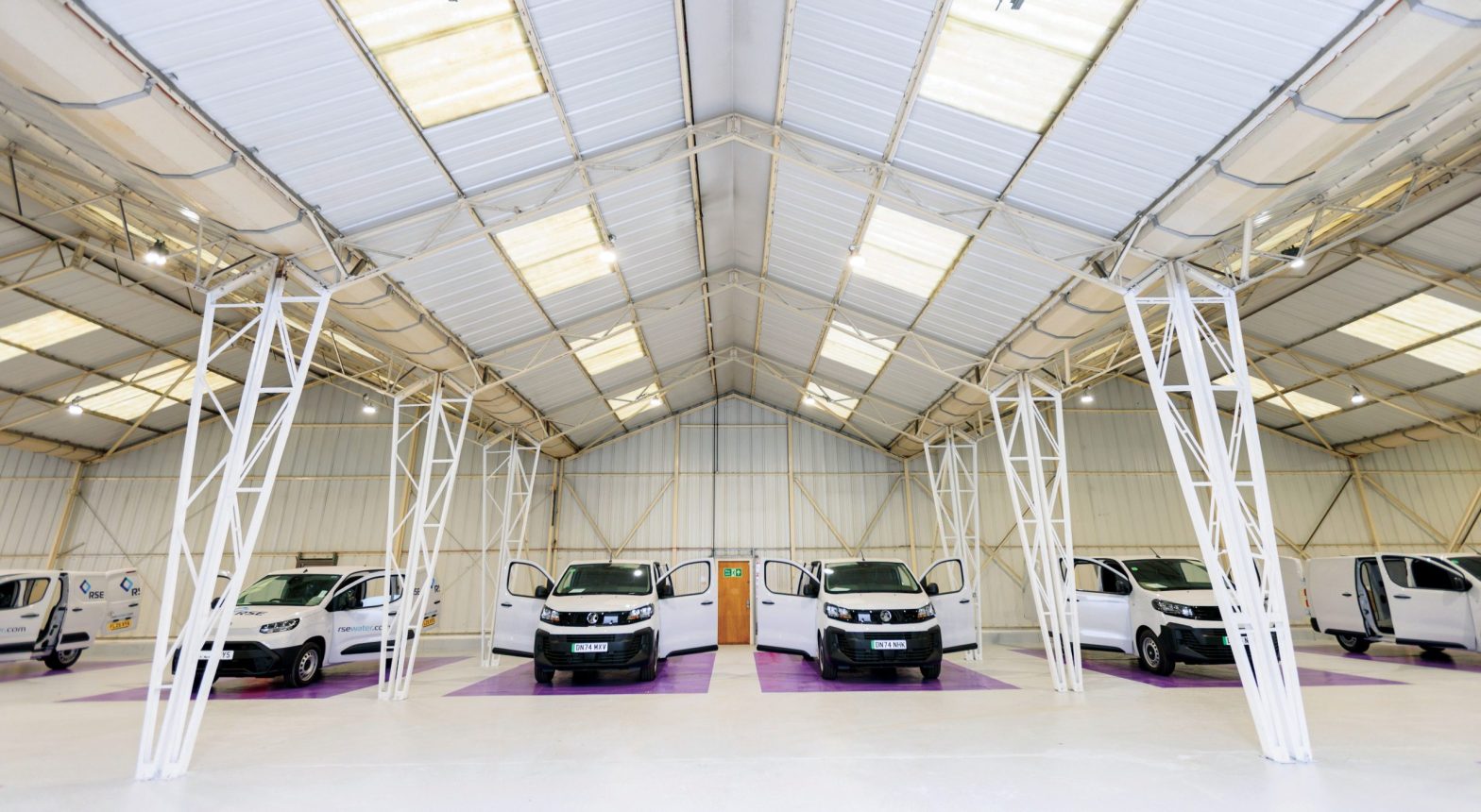
Rather than moving the vehicle from supplier to supplier, specialist suppliers work on the vehicle in one central production and assembly facility. Each supplier carries out its own part of the conversion, while the programme is centrally coordinated and managed.

The Mediafleet Supplier Hub works with all industry participants, regardless of size, status or capability.

End users can choose their existing converter, individual specialist suppliers, or a combination of both. The Supplier Hub provides the facilities, planning and coordination to bring those choices together in one managed production environment.

The vehicle stays in one place. The specialists come to it. And the customer chooses the specialists.

It’s ultra efficient, and retains best in-class technical expertise in all aspects of the build.

A different approach is emerging…

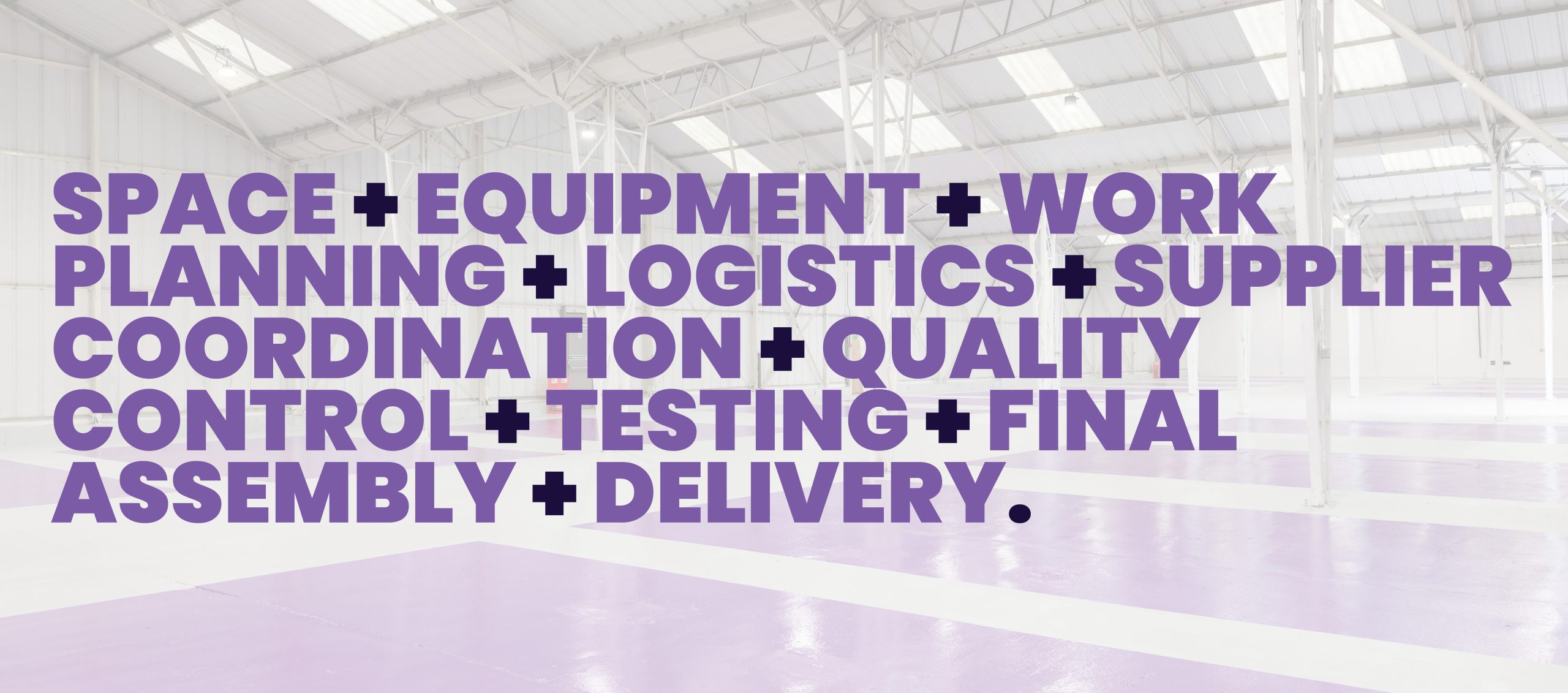
The ‘Supplier Hub’ provides the space, equipment and production environment needed to bring those suppliers together. The Integrator manages the programme, coordinates the suppliers and takes responsibility for making sure the different activities work together.

The end user therefore does not need to source everything from one converter. It can select the specialist suppliers, products and technologies it considers best for the vehicle.

The suppliers remain independent. The vehicle remains in one location.  The Integrator makes the whole process work as one.

It is the combination of independent specialist capability, centralised production and customer choice that creates the difference.

It is not about creating another converter.

The opportunity is sometimes described as creating a “one-stop shop”.

But that phrase can be misleading.

A traditional one-stop shop usually means one supplier offering multiple capabilities.

The model being proposed here is different.

The Mediafleet Supplier Hub… It is a central hub for independent specialist suppliers.

The customer is not buying everything from one converter. The customer is buying an integrated outcome from an organisation that brings together the specialist capability required to deliver it.

That means the end user can say…

“These are the suppliers and technologies we want.

“Bring them together, manage the programme, and deliver the finished vehicles to me when they are ‘work ready’.”

That is fundamentally different from being offered the capabilities that happen to sit within a single converter’s organisation or supplier network.

The principle is already proven…

Audi – Ingolstadt

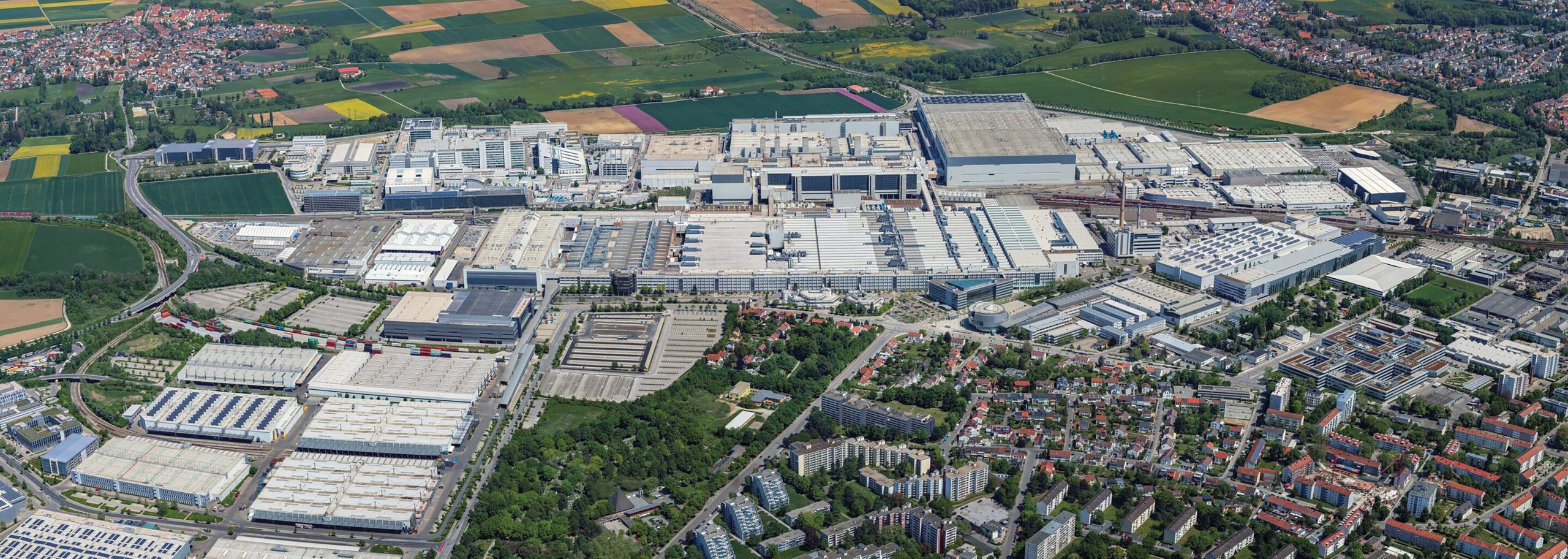
The Audi supplier Hub or ‘hub’ at Ingolstadt is a good example. A number of suppliers have operated on or around the Audi production site, allowing specialist activities and logistics to be brought closer to final vehicle production.

The principle is straightforward: suppliers can remain specialist businesses while operating within a coordinated environment designed around the needs of the vehicle production process.

The important point for this proposition is not that every automotive supplier Hub operates in exactly the same way. It is that the automotive industry has long recognised the value of bringing specialist suppliers together rather than repeatedly moving products between disconnected locations.

The difference is simple…

So, what are the benefits?

  • Customer choice – the end user can select the specialist suppliers and technologies best suited to the requirement.
  • Less transportation – fewer movements between suppliers.
  • Shorter lead times – activities can be coordinated to make the best use of time.
  • Better control – one location provides visibility of the whole programme.
  • Reduced damage risk – the product isn’t repeatedly loaded, unloaded and transported.
  • Better quality control – problems can be identified while the product
    is still on site.
  • Improved scheduling – suppliers work to an integrated production plan.
  • Greater accountability – one location and one programme give the customer clearer ownership.
  • Scalability – multiple products can be processed simultaneously.
  • Better supplier collaboration – specialists can physically work alongside one another.
  • Reduced customer disruption – the customer receives a completed, work-ready product rather than coordinating multiple suppliers themselves.

And there’s an important commercial benefit…

…the customer can buy an integrated outcome without having to surrender control of who provides each specialist service. This means more competitive pricing, without technical dilution of products and services.

A stronger strategic proposition

The proposition is not simply about having a larger facility or more capabilities in one place.

It is about creating an environment in which independent specialist suppliers can work together around the vehicle, while the customer retains the ability to choose those suppliers.

That provides an interesting and beneficial point of difference.

It provides…

The suppliers remain specialists, but the facility operator becomes “The Integrator”.

There are also other markets such as Aerospace, where companies have increasingly brought machining, surface treatment, assembly and other specialist processes into a coordinated manufacturing environment rather than treating each as an isolated supply-chain transaction.

ASG Aerospace describes its UK capability as, “combining machining, complex assembly and surface treatment into an end-to-end integrated manufacturing process.”

That’s not quite the proposed shared facility I am talking about here, but it demonstrates the same underlying economic argument…more of the manufacturing process takes place in one location, reducing unnecessary transport, handling and delays.

If I were the end user, “What does this actually change for me?”

If I am the ‘end user’…

1. I can choose the specialists I want…

This is perhaps the most important difference.

I am not limited to the capabilities, products or preferred suppliers of a single converter…and perhaps more importantly, the pricing. I can negotiate with whom I please.

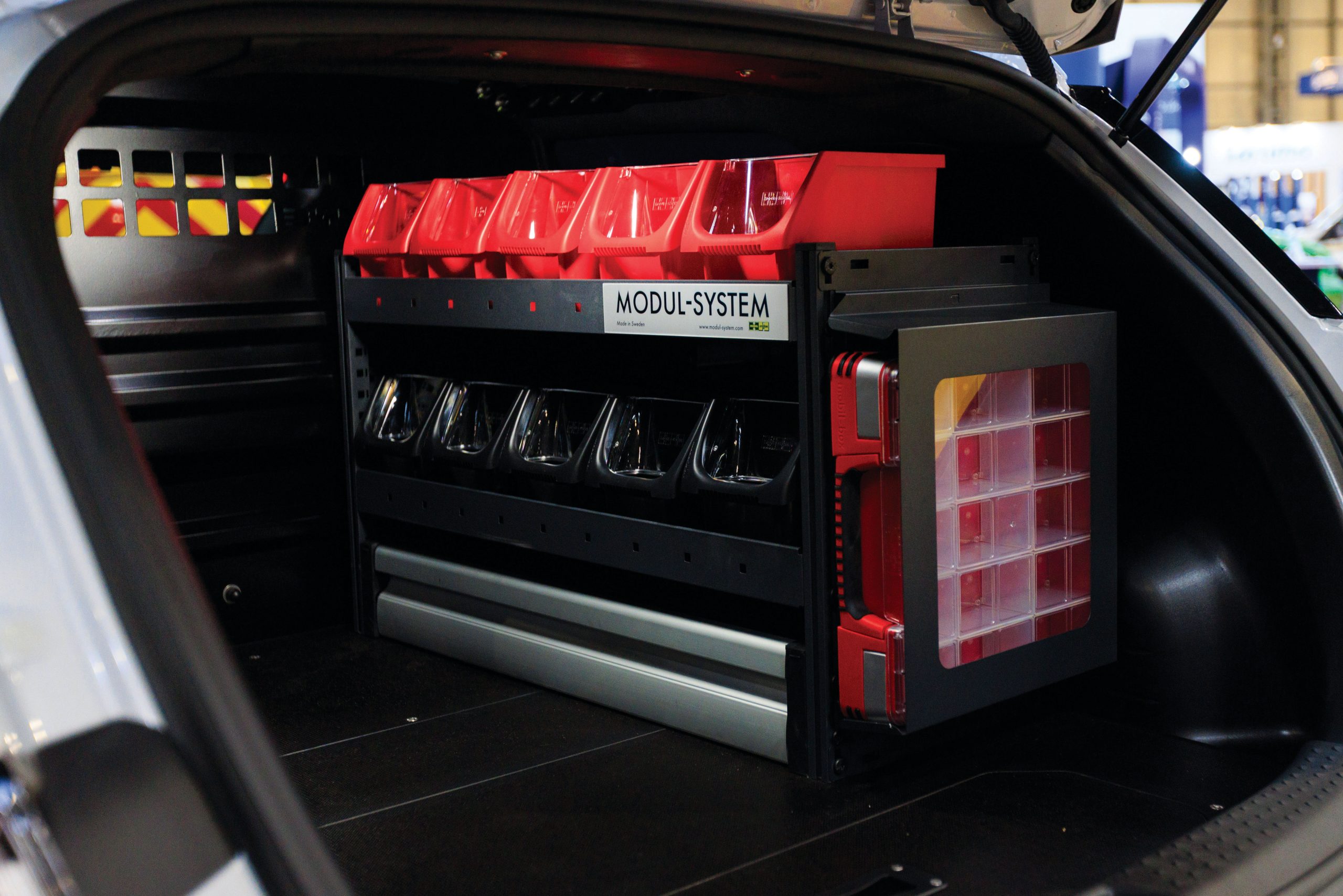
If I have a particular requirement for racking, electrical systems, telematics, specialist equipment or another conversion activity, I can select the supplier that I believe is best suited to that requirement.

The Integrator provides the facility and coordinates the programme.

End-user benefit: I get the specialist capability at the price I choose, without having to manage multiple locations, collections, deliveries and supplier interfaces myself.

2. I have one location and point of contact for the complete conversion.

Instead of managing several suppliers who each perform a different part of the work, there is one location and one organisation coordinating the whole process.

End-user benefit: Less supplier management and fewer things for me to coordinate, while retaining the ability to choose the suppliers involved.

3. My product doesn’t keep travelling around

The product stays in one controlled location while the specialists come to it.

End-user benefit: Less transport, less handling, less risk of damage and fewer delays. The vehicle can potentially be on the road faster and at lower overall cost.

4. The suppliers work as a team

If one supplier identifies an issue with another supplier’s work, they can resolve it on site rather than sending the product back and forth.

End-user benefit: Problems are resolved between suppliers rather than becoming the customer’s problem.

5. I get a finished, work-ready product

I am not buying a collection of disconnected supplier activities. I am buying a finished outcome.

For example: “As the Integrator…give us the vehicle. We will coordinate everything required to turn it into a work-ready vehicle.”

End-user benefit: One completed outcome and one handover, without sacrificing supplier choice.

6. I have complete visibility of the conversion programme

With the vehicle remaining in one location and all suppliers working within the same programme, the entire conversion can be monitored from a single point.

I can see…

• where each vehicle is in the conversion process
• which work has been completed
•  what work remains outstanding
• whether any supplier activity is affecting the programme
• quality or technical issues requiring attention
• planned and actual completion dates
• when the vehicle is ready for delivery

End-user benefit: I have a clear, accurate view of every vehicle throughout the conversion process, allowing me to identify problems early, manage delivery expectations and plan the vehicle’s return to operational service with confidence.

7. It should reduce my overall lead time

I am not just eliminating transport… I’m potentially allowing different conversion activities to overlap. While Supplier A is completing one part of the work, Supplier B can be preparing its components, and Supplier C can be preparing for the next stage.

End-user benefit: Faster turnaround and potentially greater production capacity.

8. One organisation takes responsibility for the whole process

The individual suppliers remain responsible for their specialist work, but the Integrator is responsible for making sure all of those activities come together to deliver the finished vehicle.

I don’t have to coordinate multiple suppliers, resolve issues between them or work out who is responsible when one stage affects another.

End-user benefit: I have one organisation accountable for delivering the complete conversion — while retaining the right to choose the specialists doing the work.

If I were the supplier, “What does this actually change for me?”

From a supplier perspective

1. I don’t need to provide the facility

I don’t need to supply a workshop, storage, specialist equipment, loading facilities and potentially additional premises…the Integrator provides the production environment.

I just bring my people, expertise and equipment required for the particular operation.

Supplier benefit: Lower infrastructure costs, less capital investment and the ability to take on larger programmes without having to expand my own facilities.


2. Potentially, I get access to new customers

The Integrator brings together projects that require multiple specialist capabilities.

As a supplier, I might traditionally win a contract for your particular service, but in this model, it becomes part of a larger integrated proposition.

For example: Customer needs 500 vehicles converted and asks the Integrator for help procuring specialist services. The Integrator could recommend your services and/or products.

Supplier benefit: Access to larger contracts, higher volumes and new customers without having to develop the complete range of capabilities required to win the overall programme.

3. I spend more time doing what I’m good at I don’t necessarily want to become a logistics company.

I don’t want to:
•  collect the vehicle
•  transport it
•  unload it
•  store it
•  arrange access
•  coordinate other suppliers
•  chase delivery dates
•  organise final inspection
•  arrange onward transport

I just want to do my job. The Integrator takes much of that complexity away.

Supplier benefit: More productive time spent delivering your specialist service and less time dealing with the logistics and administration surrounding it.

4. I can potentially increase productivity

This is a subtle but important commercial benefit. I might have say…
10 technicians ’ 10 jobs ’ 10 jobs worth of capacity.

But if the Integrator provides the facility and brings the work to them, I may be able to deploy my people more efficiently. There is less…

travel > collection > delivery > waiting > loading > unloading

and more…

arrive > work > complete > move to next job.

Supplier benefit: Greater utilisation of technicians, equipment and working time, potentially allowing the supplier to increase output without a corresponding increase in overhead.

5. I get a more predictable work-flow

If the Integrator is responsible for bringing the work, vehicles and other suppliers together, I can work to a planned production programme rather than constantly managing individual collections, deliveries and customer requirements.

I know…

  • when the vehicle is due
  • what work is required
  • where the vehicle will be
  • when its work needs to be completed
  • what happens next

Supplier benefit: More predictable workload, better resource planning and less time lost waiting for vehicles, information or other suppliers.

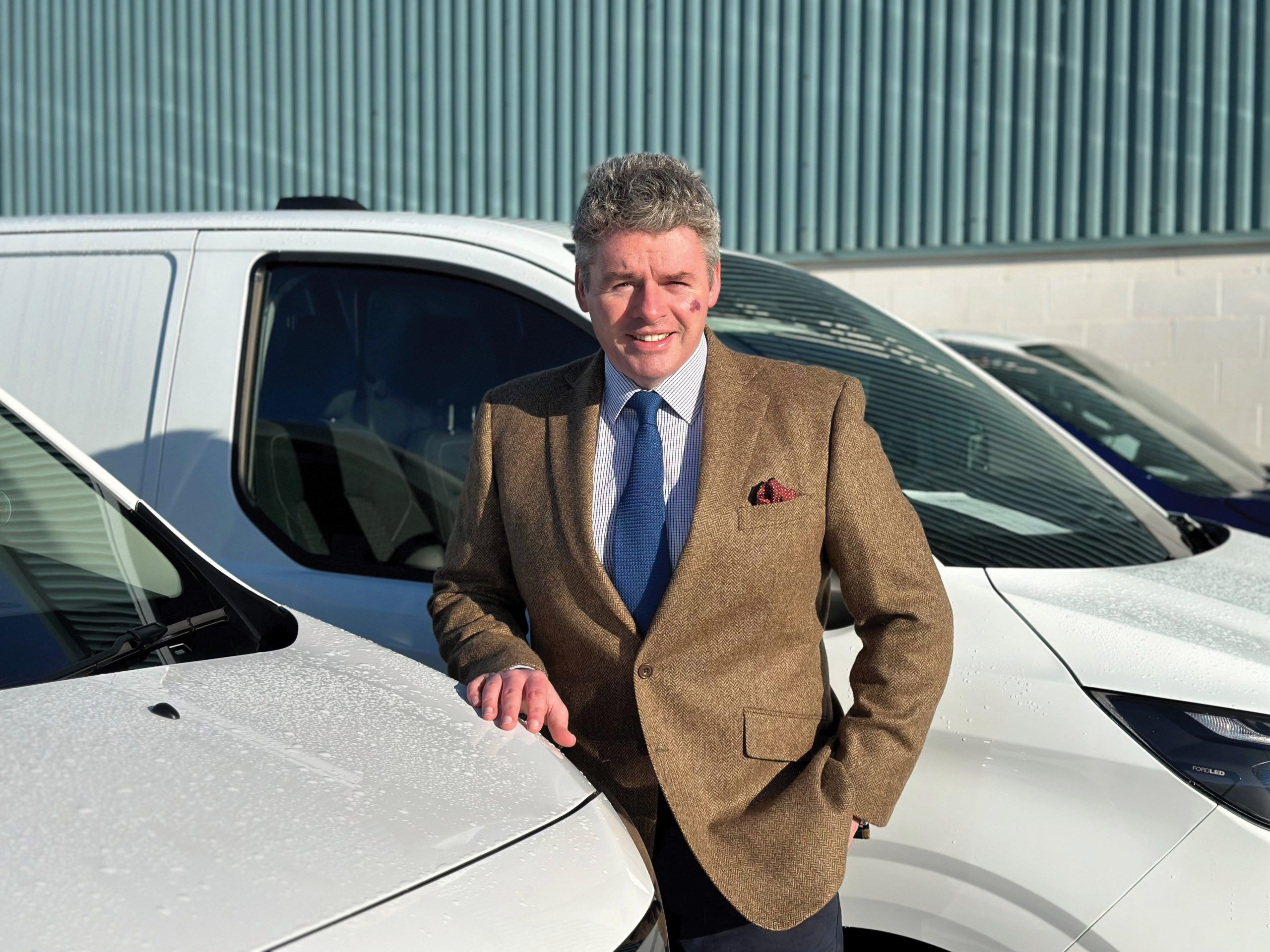
In conclusion, Barnaby, managing director of Mediafleet says…

The opportunity is bigger than a larger and better workshop.

Barnaby Smith - Managing Director

The vehicle conversion market has become very good at meeting the technical demands of the end user. Specialist suppliers have developed deep expertise, built strong businesses and created a supply chain capable of delivering increasingly complex vehicles.

“But there is a commercial paradox… specialisation is a good thing… you get better expertise and capability… but having more specialists can also create more complexity for the customer.

The more specialist the supply chain becomes, the more complicated it can become for the customer and the conversion parties to manage. Every additional specialist brings capability, but also another supplier relationship, another movement, another schedule and another point at which the programme can be delayed.”

“The answer isn’t to remove the specialists. It’s to change the way they are brought together.”

“A modern conversion model should allow the customer to buy the finished outcome, while the specialists continue to do what they do best.

That creates a different role for Mediafleet – The Integrator: Not another converter competing with the supply chain, but the organisation that connects the capability, provides the production environment and takes responsibility for bringing it together.

And commercially, that changes the proposition for everyone.

A modern conversion model should allow the customer to buy the finished outcome, while the specialists continue to do what they do best.

The customer gets a simpler route to a completed vehicle.

Specialists gain access to larger programmes without having to build the infrastructure to deliver them.

The Integrator creates value by connecting the two.

But there is one further distinction. The customer is not simply buying convenience. The customer retains the freedom to choose the specialist suppliers that make up the solution.

That isn’t just a more efficient way to convert vehicles. It is a different way of organising the market.”

The future of conversion will not belong to the company that can offer the most conversion activities… it will belong to the company that can bring the right specialist capability together… chosen by the customer…

-